This is a common question and is most often the result of a bladder infection. Not mentioned in the article as a cause is the change in the ph of the urine by certain foods that will create phosphate crystals. This is a benign situation but often times a concern to patients. Read More.
Dr. McHugh is Georgia’s most experienced no scalpel vasectomy and microscopic vasectomy reversal urologist.
What an excellent day, Dr. McHugh was on his game and did an outstanding job on me with my vasectomy. It’s day 3 an I’m not even sore, he’s great with all his patients an willing to answer any questions. Thanks Doc…
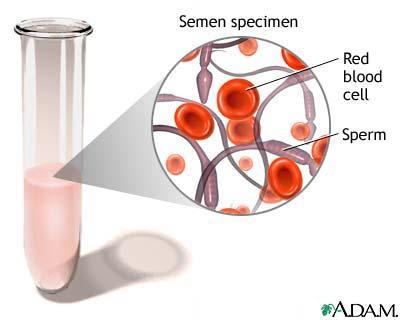
At the end of each vasectomy consultation and then after the vasectomy has been performed I tell the couple this, “The most important thing I will tell you is that you must not have unprotected sexual activity until we prove there are no sperm. It usually takes about 30 ejaculation to clear the sperm from the tube beyond the vasectomy site. In America approximately 50% of the men who have had a vasectomy will not get checked to be sure they are clear. You don’t have my guarantee until this has been done.”
Call Kathy Burton at 770-535-0001 ext 113 to schedule a No Scalpel Vasectomy and have a great excuse to stay home and watch basketball. You can also schedule by using the form below or emailing Kathy-Kathy.burton@ngurology.com
Background: Nearly half a million men undergo vasectomy in the United States each year. While this is generally a straightforward procedure, it is not 100% successful. Post-vasectomy semen analysis helps the physician confidently determine if the procedure was successful, but no consensus exists to guide post-vasectomy semen analysis routine; the 2012 AUA guidelines suggest a single negative sample performed 8 to 16 weeks post-procedure, and <100,000 sperm/mL (non-motile) is considered a success. Patient compliance with post-vasectomy semen analysis is low and few studies review the reasons for poor compliance.
Objective: To determine which men are more or less likely to comply with requested post-vasectomy semen analysis based on demographic data.
Design/Methods: The authors performed a retrospective review of 946 men undergoing vasectomy at a single institution/single surgeon performed between January 2002 and December 2009. For this particular surgeon, post-vasectomy semen analysis was requested for 2 samples 16 weeks after vasectomy. The information was reiterated during vasectomy and written instructions were provided. The surgeon removed a piece of vas for pathologic analysis.
Results: The mean age of vasectomy patients was 33.6 years and they had a mean of 2.15 children before vasectomy. Over 80% of men were married and the complication rate was 3.4%. Complications were mostly hematoma and sperm granuloma. Vasectomy was repeated in 4 men, 3 of whom requested the repeat due to persistent non-motile sperm. Nearly 50% of men submitted no samples (48%) and 16% only submitted 1 sample. Men who were noncompliant tended to be aged <34 years, had ≥3 children, and did not have complications. Based on further logistic regression analysis, only an increased number of children was predictive of noncompliance.
Conclusions: Men with more children, of younger age, and without complications tend to be less likely to submit a post-vasectomy semen analysis. While the best protocol for post-procedure evaluation remains to be determined, increasing compliance is in the best interest of the physician.
Reviewer’s Comments: The most recent AUA guidelines do not suggest that pathologic analysis is necessary during a vasectomy, making post-vasectomy semen analysis the determinant of success. Unfortunately, as nearly all urologists experience, the majority of patients are not compliant with post-vasectomy semen analysis. The authors requested 2 post-vasectomy semen analysis samples and this was only completed by 36% of patients. Based on the guidelines, only 1 patient truly required a repeat procedure. Even with low failure rates, vasectomy remains a frequently litigated urologic procedure and physicians want to ensure success. As much as can be reiterated to the patient, obtaining a single semen analysis at least 8 weeks post-procedure should be the goal of all physicians performing vasectomy.(Reviewer–Gregory Lowe, MD).









 Northeast Georgia Urological Associates