Top Tweets for Urology Care Foundation

Urology Care Foundation is funded by the American Urological Association. It is a very useful site both for urologists as well as urological patients. On this site a patient can download infographic posters and subscribe for free for the monthly magazine. Click on the image below to get a taste of the top 5 tweets by UCF for the year and then checkout this informative website-urologyhealth.org.

czqdcrxxgaaun3s

What is hematuria?

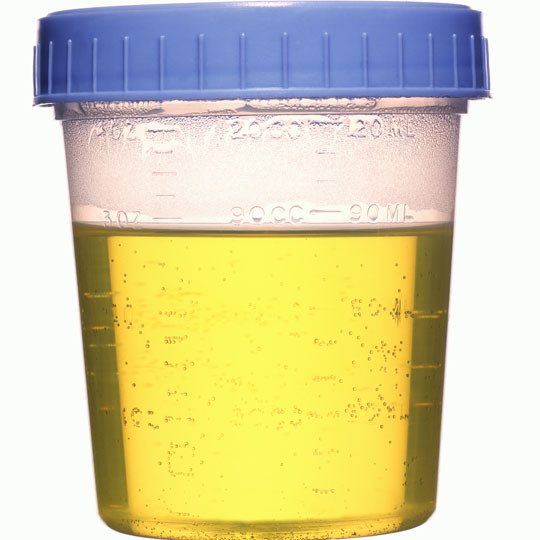
urine-specimen-cup__44522_0924aa8b-864a-47df-936f-58d9cebdbf21

The evaluation of microscopic hematuria is one of the most common reasons a patient is sent to see a urologist. The big three things we look for are kidney tumors, bladder tumors or stones. The most common evaluation is a non contrasted Ct scan and cystoscopy (looking into the bladder with a scope). Benign reasons for blood in the urine include irritation of the urethra in a female and the vascular lining of the prostate through which urine passes. Even the evaluation is usually negative, because blood in the urine can represent an early sign of malignancy, it is usually evaluated to assure there is no asymptomatic underlying cause. 

In the picture above even though the urine appears clear there can still be significant microscopic blood in the specimen that the patient cannot see and also causing no symptoms.

Hematuria-should you be concerned?

Alternatives to Viagra?

From MNT

Alternatives to Viagra: Pills, Herbal Remedies, and Other Treatments

Last reviewed: Mon 28 November 2016

Viagra is a well-known drug for the treatment of erectile dysfunction, a distressing and common condition.

There are many alternatives to Viagra, which can improve or reverse the symptoms of erectile dysfunction. These options include drugs, medical treatments, lifestyle changes, and alternative remedies.

What is Viagra?

[man looking worried]
Erectile dysfunction can be distressing, but there are solutions.

Viagra was developed in the United Kingdom. In 1998, the American pharmaceutical company, Pfizer Inc., put it on the market.

The generic name for Viagra is sildenafil. The trade name is Viagra, and the drug also goes by the name of Revatio. Viagra works by slowing down the action of PDE5, an enzyme that works in the tissues of the penis.

The PDE5 enzyme breaks down a substance that is responsible for blood flow in the penis. Inhibiting PDE5 increases blood flow to the penis. This helps men to achieve and maintain an erection.

However, sildenafil can only assist in maintaining an erection if the penis is physically stimulated. Without a physical stimulus, sildenafil cannot cause an erection.

Common side effects of Viagra, or sildenafil, include headache, facial flushing, indigestion, nasal congestion, and a blue tint to the vision.

What is erectile dysfunction?

If a man is unable to get or keep an erection that is firm enough to engage in sex, does not achieve an erection at all, or loses an erection during sex, this can signal erectile dysfunction.

Erection problems are common, and they affect almost all adult men at some time. However, an ongoing issue that frequently affects erectile function may be classed as erectile dysfunction.

Figures indicate that erectile dysfunction affects over 600,000 men in the United States each year. Although the frequency of this problem increases with age, it is not confined to older adults.

Causes of erectile dysfunction

Erectile dysfunction can result from factors that are medical, psychological, emotional, or a combination of these.

Medical conditions that are linked with erectile dysfunction include:

Psychological issues that contribute to erectile dysfunction include anxiety, depression, guilt, stress, and low self-esteem.

Lifestyle choices that have been linked to erectile dysfunction include:

  • Alcohol or drug use
  • Excess weight
  • Lack of exercise
  • Smoking.

When to see a doctor

As erectile dysfunction is a medical problem, cases that persist for several weeks or more should be seen by a doctor. This is particularly important for those who suspect their erectile dysfunction may be related to another cause, such as heart disease or diabetes.

Some prescription medications are linked to erectile dysfunction. Those taking certain prescribed drugs may wish to discuss possible side effects and alternatives to these medications with their doctor.

Drug alternatives to Viagra

There are several alternatives to Viagra available to men with erectile dysfunction.

Oral medications

Oral drugs, including Viagra, are frequently the first course of treatment offered to men with erectile dysfunction.

Alternative PDE5 inhibitors to Viagra, only available by prescription, are:

  • Vardenafil: Sold under the brand names Levitra and Staxyn, this drug is available in tablet and disintegrating tablet form. To be effective, it should be taken an hour before sex. It can be effective for up to 7 hours.
  • Tadalafil: Sold under the brand names Adcirca and Cialis, tadalafil can be taken 1 to 2 hours before sex. These tablets are effective for 36 hours.
  • Avanafil: Marketed in the U.S. as Stendra, avanafil tablets can be taken 15 to 30 minutes before sex and last up to 6 hours.

Non-oral drugs

Alternatives to oral medications include:

  • Penile self-injections: Medications such as alprostadil, papaverine, and phentolamine can be injected directly into the side or base of the penis. These can help achieve or maintain an erection for up to 40 minutes.
  • Urethral suppository: Very small alprostadil suppositories can be placed in the penile urethra using a special applicator. This stimulates an erection to begin within 10 minutes, which can last for up to 60 minutes.
  • Testosterone replacement: This treatment may be suggested for those whose erectile dysfunction is linked to low levels of testosterone. The testosterone hormone can be delivered by a variety of methods including injection, patch, or oral medication.

Other medical treatments

There may be some men for whom medication is unsuitable, either because of other medical conditions or another reason. In these situations, other medical treatments may be suggested.

Vacuum erection devices are hollow tubes, also known as penis pumps. They are attached to a hand- or battery-operated pump and work by drawing blood into the penis. They help to achieve an erection that can be maintained using a tension ring.

Implants are inflatable or bendable rods that are surgically implanted into the erection chambers of the penis. This type of treatment is usually only recommended after trying other options first.

All of these treatments must be delivered by a qualified healthcare professional.

Dietary supplements and herbal remedies

Several dietary supplements, herbal preparations, and food products are sold as remedies for erectile dysfunction.

[ginseng root]
Ginseng may help in cases of erectile dysfunction.

Some of the better-known alternative treatments, which have shown positive results in small studies and are generally considered safe, include:

  • DHEA
  • Ginseng
  • L-arginine
  • Propionyl-L-carnitine.

However, consumers should be careful when purchasing or consuming any alternative products, including those that claim to be herbal versions of Viagra.

The U.S. Food and Drug Administration (FDA) have issued several statements warning consumers about the safety of such goods. They say these products may contain hidden synthetic chemicals or other ingredients which could be harmful. There has not been enough research to support the usage of these supplements fully.

According to the FDA, lab tests show that nearly 300 of the supplements or foods marketed to enhance sexual function contain undisclosed drug ingredients. Anyone who is using a supplement must let their doctor know.

Lifestyle changes for erectile dysfunction

Certain lifestyle choices can contribute to erectile dysfunction in some men. Research indicates the condition may be successfully reversed in some situations by focusing on lifestyle factors.

The following changes may be helpful for those with erectile dysfunction:

  • Eating a balanced diet: Some research suggests that eating flavonoid-rich foods, such as blueberries, strawberries, blackberries, and citrus fruits, can reduce erectile dysfunction in both young and middle-aged men.
  • Maintaining a healthy body weight: Being overweight or obese can cause or worsen erectile dysfunction.
  • Engaging in regular exercise: Physical activity can benefit those with erectile dysfunction in several ways. It improves circulation, reduces stress, and it contributes to a healthy body weight.
  • Quitting smoking: Research indicates a strong link between the intensity of cigarette smoking and the degree of erectile dysfunction. Stopping smoking can improve erectile dysfunction in many smokers.
  • Avoiding too much alcohol and illicit drug use: Drinking too much, or taking illegal drugs, can affect sexual function in men. Smoking marijuana can cause erectile dysfunction.
  • Seeking help for psychological or emotional issues: Addressing stress, anxiety, depression, and other types of emotional distress can improve or resolve symptoms.

A medical professional can give the best advice for men who are experiencing erectile dysfunction.

What is hematuria?

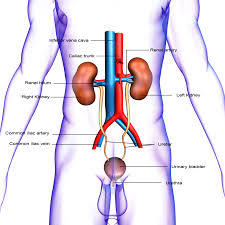
urinary system

Hematuria (blood in the urine) is a very common disorder evaluated by the urologists at  Northeast Georgia Urological Associates. Contact us for an appointment and we’ll get to the bottom of it.

← Back

Thank you for your response. ✨

Honey prevents catheter associated UTIs? Sweet.

Manuka honey could stave off catheter-associated UTIs

Published: Tuesday 27 September 2016

Manuka honey has long been hailed as a health food, with a number of studies reporting its antibacterial and anti-inflammatory properties. Now, a new study provides further evidence of such benefits, after finding it can halt the development of bacterial biofilms – groups of microorganisms that can adhere to surfaces and facilitate transmission of infections.
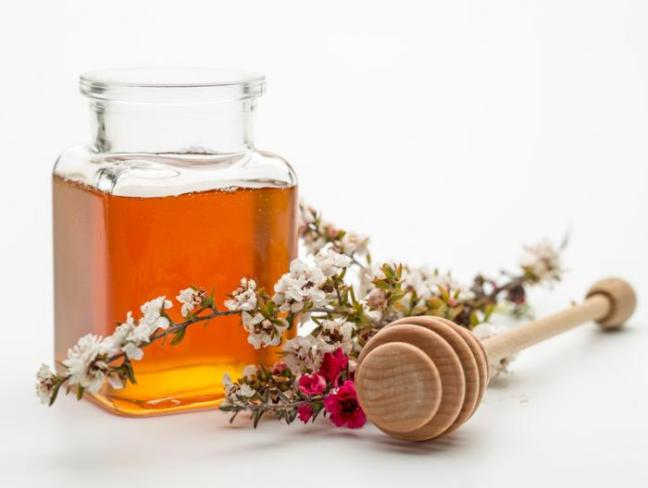
[Manuka honey]
Manuka honey could help combat catheter-associated urinary tract infections, say researchers.

Study co-author Bashir Lwaleed, of the Faculty of Health Sciences at the University of Southampton in the United Kingdom, and colleagues report their findings in the Journal of Clinical Pathology.


Manuka honey is produced by bees that pollinate the Manuka tree, native to New Zealand. While a delicious, albeit expensive food, previous research has suggested Manuka honey also offers health benefits.

The strongest evidence is for its antibacterial properties; a 2012 study, for example, suggested Manuka honey may be effective against chronic wound infections caused by Streptococcus pyogenes.

For their study, Lwaleed and team set out to determine whether Manuka honey has the potential to prevent the development of bacterial biofilms.


Testing Manuka honey’s effects on bacteria in lab dishes

The researchers cultured two strains of bacteria on 96 plastic dishes in the laboratory: Escherichia coli and Proteus mirabilis. Both bacteria are key causes of urinary tract infections (UTIs) that can arise with long-term catheter use.

The team diluted Manuka honey with distilled water before applying it to the bacteria, in order to test the effects of five different strengths: 3.3 percent, 6.6 percent, 10 percent, 13.3 percent, and 16.7 percent.

The researchers added the various concentrations of honey to two wells of each “growth” dish, while plain medium honey or artificial half-strength Manuka honey was added to the remaining two wells of each dish.

Each dish was sealed and incubated for 24, 48, and 72 hours, enabling the team to monitor how the honey impacted the development of biofilms.

In a separate experiment, the researchers added the honey to the growth dishes 24 hours after incubation, before incubating them for a further 4 or 24 hours. This was to assess how the honey affected biofilm growth following development.

Diluted Manuka honey reduced bacterial ‘stickiness’ by up to 77 percent

After 48 hours, the team found the lowest concentration of Manuka honey reduced the “stickiness” of E. coli and P. mirabilisbacteria by 35 percent – an indicator of reduced biofilm development – compared with plain medium honey or artificial half-strength Manuka honey.

After 72 hours, the team found the highest dilution of honey – 16. 7 percent – had reduced the stickiness of bacteria by 77 percent, and all other dilutions had reduced stickiness by at least 70 percent by that point.

In terms of biofilm growth, the researchers found all concentrations of Manuka honey had reduced growth after 4 hours; the highest concentration decreased growth by 38 percent after 4 hours, increasing to 46 percent after 24 hours.

The higher concentrations had an even stronger effect on biofilm growth after 48 hours, the team reports, but this was not the case with the 3.3 percent and 6.6 percent concentrations.

The researchers caution that their study has only shown how Manuka honey can reduce biofilm development or growth in laboratory conditions, so further studies are warranted to determine how the honey fares against bacteria in real-world settings.

“However, the model used demonstrates a capability of honey to inhibit the formation and early development of biofilms on solid plastic surfaces at concentrations that are not unduly viscous,” they add.

Adding honey to diet is ‘unlikely’ to help fight infection

Talking to Medical News Today, Lwaleed said the results could be beneficial for patients fitted with urinary catheters; according to the Centers for Disease Control and Prevention (CDC), of all hospital-acquired urinary tract infections, 75 percent are related to a urinary catheter.

“Honey may, subject to tolerability studies, be an effective antibacterial and biofilm inhibiting agent in catheter management – probably not prone to the induction of resistant pathogens as are many current antibiotics.”

Bashir Lwaleed

Asked whether adding Manuka honey to the diet may help fight infection, Lwaleed told MNT that it is unlikely.

“One of the reasons for using it in the bladder is that it is essentially a topical application, almost, if you will, an ‘external’ use comparable to current cutaneous use (impregnated in wound dressings, for example),” he explained. “The bladder wall structure and physiology is geared to preventing passage of substances from the urine into the body or the blood circulation, and the bladder lumen essentially is more or less in direct communication with the environment.”

“The caveat here is that bladder wall integrity may be partially compromised in disease states, so tolerability studies will need to include patients with some degree of bladder irritation or dysfunction,” added Lwaleed.

Learn about the health benefits and risks of honey.

Diluted honey inhibits biofilm formation: potential application in urinary catheter management?, Bashir Lwaleed et al., Journal of Clinical Pathology, doi:10.1136/jclinpath-2015-203546, published online 26 September 2016, abstract.

The BMJ news release, accessed 26 September 2016.

Additional source: CDC, Catheter-associated urinary tract infections (CAUTI), accessed 26 September 2016.

Additional source: Manuka honey inhibits the development of Streptococcus pyogenes biofilms and causes reduced expression of two fibronectin binding proteins, Rose A. Cooper et al., Microbiology, doi: 10.1099/mic.0.053959-0, published online 1 March 2012, abstract, accessed 26 September 2016.

Visit our Infectious Diseases / Bacteria / Viruses category page for the latest news on this subject, or sign up to our newsletter to receive the latest updates on Infectious Diseases / Bacteria / Viruses.

Please use one of the following formats to cite this article in your essay, paper or report:

MLA
Whiteman, Honor. “Manuka honey could stave off catheter-associated UTIs.” Medical News Today. MediLexicon, Intl., 27 Sep. 2016. Web.
9 Oct. 2016. <http://www.medicalnewstoday.com/articles/313126.php&gt;


APA
Whiteman, H. (2016, September 27). “Manuka honey could stave off catheter-associated UTIs.” Medical News Today. Retrieved from
http://www.medicalnewstoday.com/articles/313126.php.


Please note: If no author information is provided, the source is cited instead.


Overactive bladder vs. Stress incontinence-What’s the difference?

sui_gui_logo

Overactive bladder (OAB) and stress urinary incontinence (SUI) are two common lower urinary tract or bladder health problems that can cause incontinence. Incontinence is the leaking of urine that can’t be controlled. Read More…

Our page on incontinence.

Everything you need to know about incontinence from the NIH.

Northeast Georgia Urological Associates has experience in treating all forms of incontinence. Contact us for an appointment.

← Back

Thank you for your response. ✨

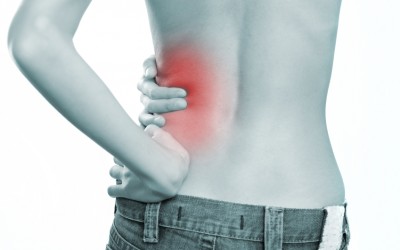
A stone in your kidney but no pain…what to do?

Spero072215-400x250

In general “if it ain’t broke don’t fix it” however…read on…

Your Best Management for Asymptomatic Nonobstructing Kidney Stones

Urology – August 30, 2015 – Vol. 33 – No. 2

Lower-pole kidney stones are less likely to become symptomatic during observation.

Article Reviewed: The Natural History of Nonobstructing Asymptomatic Renal Stones Managed With Active Surveillance. Dropkin BM, Moses RA, et al: J Urol; 2015;193 (April): 1265-1269.

Objective: To determine the natural history of observed nonobstructing asymptomatic kidney stones and factors associated with eventual stone-related events.

Design: Retrospective chart review of the records of 160 kidney stones in 110 patients on active surveillance.

Methods: Stone characteristics, patient characteristics, and stone-related parameters were evaluated to determine factors for stone-related symptoms, spontaneous passage, requirement for surgical intervention, and stone growth.

Results: 160 stones with an average size of 7.0 mm ± 4.2 mm in 110 patients were followed up 41 ± 19 months. A total of 28% (45 of 160) of stones caused symptoms and 2% (3 of 160) caused silent obstruction on average of 37 ± 17 months. Upper-pole/mid-pole stones were more likely than lower-pole stones to become symptomatic (40%) or pass spontaneously (15%). No other factors demonstrated statistical significance in predicting symptoms.

Conclusions: Over a 3-year period, most asymptomatic nonobstructing renal calculi remained asymptomatic. Approximately 30% caused symptoms, 20% required surgical intervention, 20% grew >50% initial size, and 7% passed spontaneously. Lower-pole stones caused fewer issues than upper- or mid-pole stones. Silent obstruction may occur and necessitates regular imaging and follow-up of even asymptomatic stones.

Reviewer’s Comments: This is a very nice article following the natural history of asymptomatic nonobstructing kidney stones, which are often picked up on imaging for other indications. It shows almost identical results to previous studies, which is that over a specified period (average of 3 years in this study), approximately 30% of stones will become symptomatic or need intervention. In this study, however, if you account for patients (instead of stones), nearly 40% became symptomatic over the study period. One must also consider that 20% of stones in this study grew >50% their original size. A small percentage developed silent obstruction, which is the most concerning aspect in regard to possible renal function loss. The authors conclude that most stones remain asymptomatic over time and hint that active surveillance may be the best option. The authors make a very valid point. However, the debate becomes whether you and your patient consider 30% to 40% as an acceptable number. Are we really saving 70% of individuals from needed intervention or having symptoms, or are we just delaying the inevitable? With the exception of uric acid stones, which may dissolve, stones do not disappear. I think with longer follow-up, more will eventually become symptomatic. Whether you treat prophylactically or only treat history of kidney stones, and lifestyle. Overall, this is a nice article to provide numbers to patients in regard to nonobstructing asymptomatic kidney stones.(Reviewer–David A. Duchene, MD).


Sex helps pass kidney stones?

Want to improve your sex life? Get a kidney stone!

download (3)

Urology – January 30, 2016 – Vol. 33 – No. 9

Sexual intercourse 3 to 4 times per week may increase the probability of spontaneous stone passage for distal ureteral stones <6 mm in size.

Article Reviewed: Can Sexual Intercourse Be an Alternative Therapy for Distal Ureteral Stones? A Prospective, Randomized, Controlled Study. Doluoglu OG, Demirbas A, et al: Urology; 2015;86 (July): 19-24.

Objective: To investigate the role of sexual intercourse on passage of distal ureteral stones.

Design: Prospective, randomized controlled study.

Participants: 90 male patients with distal ureteral stones <6 mm in size undergoing a trial of spontaneous passage.

Methods: Group 1 was randomized to sexual intercourse 3 to 4 times a week, group 2 received tamsulosin 0.4 mg/day for medical expulsive therapy, and group 3 served as a control. Expulsion rate was compared at 2 and 4 weeks.

Results: Mean stone size was similar between all groups at just under 5 mm (group 1, 4.7 mm; group 2, 5.0 mm; group 3, 4.9 mm). At 2 weeks, 83.9% (26/31) patients in the sexual intercourse group had passed stones. In comparison, 47.6% (10/21) in the tamsulosin group and 34.8% (8/23) in the control group had passed stones (P =0.001). At 4 weeks, the differences lost significance, but still showed benefit for the sexual intercourse group with 93.5% passage compared to 81.0% passage in the tamsulosin group and 78.3% passage in the control. The mean expulsion time was 10.0 days in the sexual intercourse group, 16.6 days in the tamsulosin group, and 18.0 days in the control group.

Conclusions: Sexual intercourse 3 to 4 times per week may increase the probability of spontaneous stone passage for distal ureteral stones <6 mm in size.

Reviewer’s Comments: This study led to lots of conversation given the unique and unusual approach proposed to improve spontaneous ureteral stone passage. The authors hypothesized that sexual intercourse may improve spontaneous stone passage by nitric oxide release leading to relaxation of ureteral muscles. They found that the sexual intercourse group passed their stones much faster than either the tamsulosin or control group. While intriguing, several problems exist with the study, which makes me somewhat surprised that it was published. The study is extremely underpowered based on overestimations in initial statistical planning. No compliance measures with sexual activity and/or lack of sexual activity or with taking tamsulosin as prescribed were performed. Only 6% of patients were lost to follow-up in the sexual activity group compared to 23% in the tamsulosin and control arms. If those patients were lost to follow-up because they passed their stones, then the study would have no significance. Last, sexual activity would be a very brief exposure of nitric oxide to the ureter (if the theory is correct). Younger patients should still get nocturnal erections, which would also release nitric oxide for brief periods. It seems that a more consistent delivery of nitric oxide such as with PDE5 inhibitors may be more successful, and PDE5 inhibitors have shown some promise in early studies. Overall, the study makes a good headline and interesting discussion, but much better studies are needed to find a relevant method to facilitate stone passage.(Reviewer–David A. Duchene, MD).

Fall is in the air…bladder healthy soup?

Soup

Take advantage of the extra time you spend inside this winter to make some tasty meals. Here is a recipe for Chicken and White Bean Soup. It’s made with ‘good for you’ ingredients – and won’t bother a sensitive bladder.

Makes 6 servings, 1 ½ cups each
Calories per serving: 172

Read More…

Need an appointment? Contact us 24/7 and leave your number and we’ll call by the next business day.

← Back

Thank you for your response. ✨