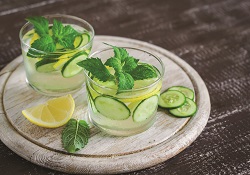
When it comes to managing Kidney Stones, drinking more water can help. Not drinking enough water is the number 1 risk factor for developing kidney stones. Try this recipe for Refreshing Cucumber and Lemon Water to help you prevent stones: Read More
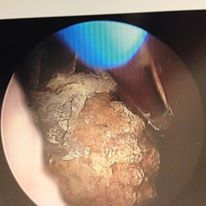
When it comes to managing Kidney Stones, drinking more water can help. Not drinking enough water is the number 1 risk factor for developing kidney stones. Try this recipe for Refreshing Cucumber and Lemon Water to help you prevent stones: Read More
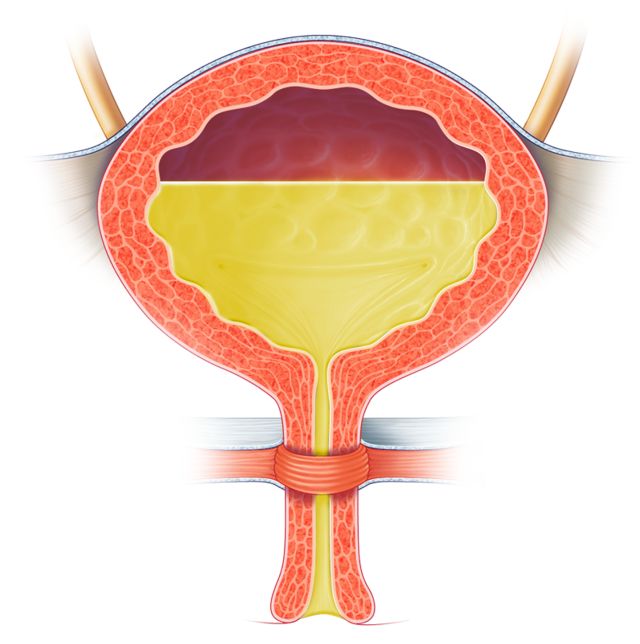

You may be struggling with urinary symptoms and think overactive bladder (OAB) is the cause. Or, your healthcare provider may have already told you that you have OAB. Either way, this site will give you the tools and information to help you understand and better manage your condition.
Watch a video about other people taking control of their OAB.
You may also want to access our OAB Interactive Patient Guide. This web-based tool will take you through the entire journey from understanding OAB to taking control and finding treatment.
Don’t wait—keep reading and get the help you need. Read More

From the Mayo Clinic-
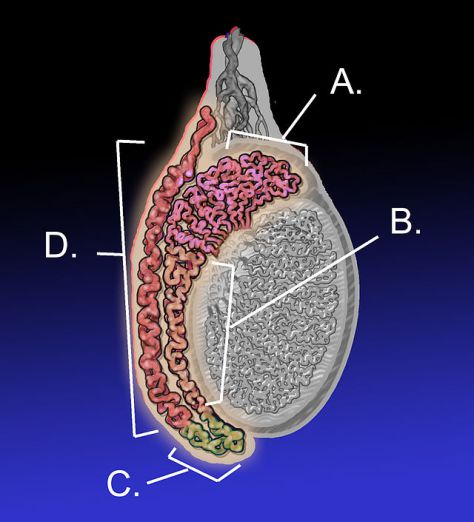
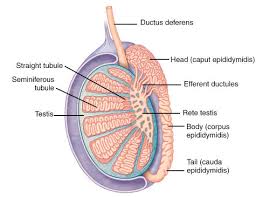
Epididymitis is an inflammation of the coiled tube (epididymis) at the back of the testicle that stores and carries sperm. Males of any age can get epididymitis.
Epididymitis is most often caused by a bacterial infection, including sexually transmitted infections (STIs), such as gonorrhea or chlamydia. Sometimes, a testicle also may become inflamed — a condition called epididymo-orchitis.
Continue reading The third testicle? What is the epididymis?
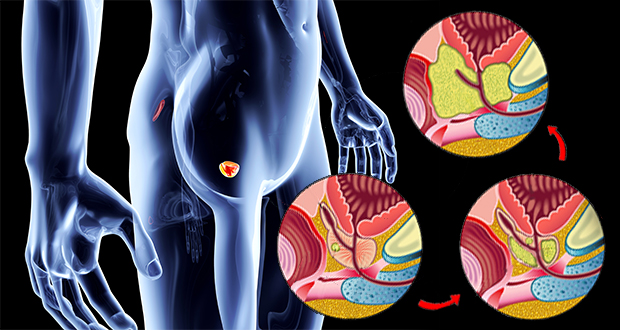
What the newly diagnosed male with prostate cancer thought was a simple disease of older men, becomes much more complicated once the decision process begins. This animation highlights the conundrum that is prostate cancer.

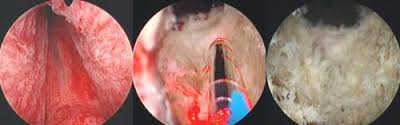
Northeast Georgia Urological Associates have experienced urologists who perform the GreenLight laser on a regular basis in our ambulatory surgery center.
Contact us if you have trouble voiding and medicines for prostate enlargement are not working.
About Beethoven’s Symphony No. 9


The Benefits of Lemon Juice for Kidney Health. Lemon juice contains high levels of citric acid, not to be confused with ascorbic acid (vitamin C). While lemon juice contains both, citric acid seems to contribute to reducing the chances of developing calcium oxalate stones. And what about Calcium? Read More


The urologists of Northeast Georgia Urological perform ESWL (Shockwave Lithotripsy of Kidney Stones) every day of the week and at three locations: Our own Ambulatory Surgery Center, Northeast Georgia Medical Center and The Gainesville Surgery Center. If you have a stone and are having symptoms, we have the experience and the resources to help you safely and quickly.

It is believed that one possible cause of overactive bladder is miscommunication between the brain and the sacral nerves; when the brain and sacral nerves don’t communicate correctly, the nerves will not tell the bladder to function correctly, which can cause bladder control problems.
The theory behind Medtronic Bladder Control Therapy is that gentle electrical stimulation of the sacral nerves reduces the signals to the nervous system which may be causing bladder control symptoms such as leaks, the sudden urge to go, or going too often.
The physicians at Northeast Georgia Urological Associates are experienced in the Medtronic InterStim implantation process and follow-up. Contact us if you feel your degree of bladder frequency or urgency warrants an evaluation.


 Northeast Georgia Urological Associates